
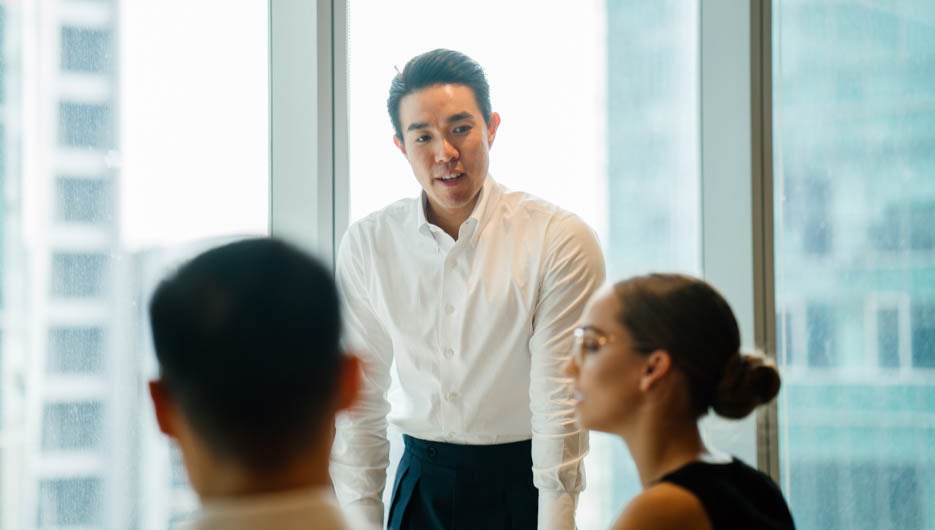







Returning to the new world of work
There is no doubt Covid-19 is the biggest event to have shocked the business world since the global financial crisis. In a tremendous effort of maintaining business continuity while at the same time ensuring their staff’s safety, organisations made swift changes to the way they work. This led to the biggest remote work experiment in history.
Now we are at a point where many organisations are beginning to imagine life after lockdown. Amid unprecedented global job losses, concerns about transport infrastructure and the continuing need for workplace social distancing, businesses are launching plans to return to the office. But when they do, what will the new world of work look like?
Robert Walters surveyed over 400 organisations in South East Asia to ask exactly this. We wanted to understand how businesses responded to Covid-19, what they really think about remote working, how they plan to return to the office and – most importantly – what their vision is for the new world of work.
While it is hard to look beyond the next six months, due to the unprecedented nature of the pandemic, this guide is designed to give business leaders an overview of organisations’ collective learnings. It also provides an insight into what options are available in the short to medium-term, whilst the long-term future of work is being considered.
Download the e-guide to learn:
- A snapshot of the business response to Covid-19 in South East Asia
- How organisations have transitioned to remote working during this period
- The working models companies have adopted for the short to medium term
- A framework for the safe return to the office
- A sneak peek into the future of work
- How recruitment in the new world of work will look like
Related content
View All
Insights into Generation Alpha and the workforce evolution The next generation is on the horizon, and they’re set to reshape the workplace as we know it. Born into a digital first world, Generation Alpha will bring fresh perspectives, new expectations, and unique skills to your organisation. But how
Read More
What sets great CFOs apart and where talent is heading Traditionally, the CFO has been responsible for the numbers, but there is a growing expectation for them to influence future direction. Today's CFO serves as a strategic partner to the CEO, driving transformation and playing an essential role in
Read More
The world of work is evolving rapidly. Technological advancements, shifting employee expectations and economic uncertainty are driving businesses to rethink how they access talent. For many businesses, non-permanent workers (contractors, freelancers, consultants, and interims) are no longer a short-
Read More